
8 Senior Dog Aging Signs (And What to Do About Each)
By Sarah Bennett · Last updated May 20, 2026 · 9 min read
Most senior dog aging signs appear quietly, a hesitated jump, a longer nap, a quieter morning. By the time we noticed Lucy was starting to look at the stairs before climbing them, she'd already been doing it for weeks. We just hadn't named it as a sign of an aging dog yet.
The eight signs below are the most common early indicators that your dog is moving into their senior years. They are listed roughly in the order most dogs experience them, with notes on what each sign typically means and what helped (or what current veterinary literature recommends) for each one.
If your dog shows two or more, it's worth scheduling a senior wellness exam.
What Counts as a Senior Dog Aging Sign?
Senior dog aging signs are gradual, low-grade changes in mobility, behavior, sleep, appearance, and appetite that appear as a dog approaches the senior life stage. They are not the same as acute illness, most aging signs develop over weeks or months, not hours or days.
The 2023 AAHA Senior Care Guidelines for Dogs and Cats note that early identification of aging signs is one of the most cost-effective interventions in veterinary medicine: it shifts care from reactive treatment to proactive monitoring.
For a chart of when each breed size technically becomes a senior, see our guide on when a dog is considered a senior.
Sign 1: Slower or Hesitant on Stairs and Jumps
What it looks like: Your dog pauses before climbing stairs, hesitates before jumping onto the couch, or stops jumping altogether.
What it usually means: Early joint changes, most commonly osteoarthritis. According to the American Veterinary Medical Association, osteoarthritis prevalence approaches approximately 80% in senior dogs, making it one of the most common conditions in this life stage.
What helps at this stage:
- A glucosamine and chondroitin supplement designed for dogs (Cosequin and Dasuquin, both from Nutramax, are widely vet-recommended; our Dasuquin vs Cosequin comparison helps you pick between them)
- Non-slip rug runners on hard floors to prevent micro-falls
- A senior wellness exam to document a baseline
When to skip waiting and call the vet: Sudden onset (hours-days), swelling around joints, or refusal to bear weight on one leg.
For five at-home steps that work together to ease arthritis, see our at-home arthritis guide.
Sign 2: Sleeping More During the Day
What it looks like: Your senior dog sleeps 14-16 hours a day instead of their previous 10-12. They take longer to fully wake up. They don't get up to follow you around the house anymore.
What it usually means: Slower metabolism, joint discomfort that makes movement less appealing, or normal senior energy decline. Most healthy senior dogs naturally sleep more.
What helps at this stage:
- An orthopedic memory foam bed away from drafts
- Soft, predictable routines around sleep and meals
- Brief, gentle exercise in 2-3 short daily sessions
When to skip waiting and call the vet: Combined with reduced appetite, unexplained weight changes, or unusual lethargy when offered favorite activities.
Sign 3: Gray Hair Around the Muzzle and Eyes
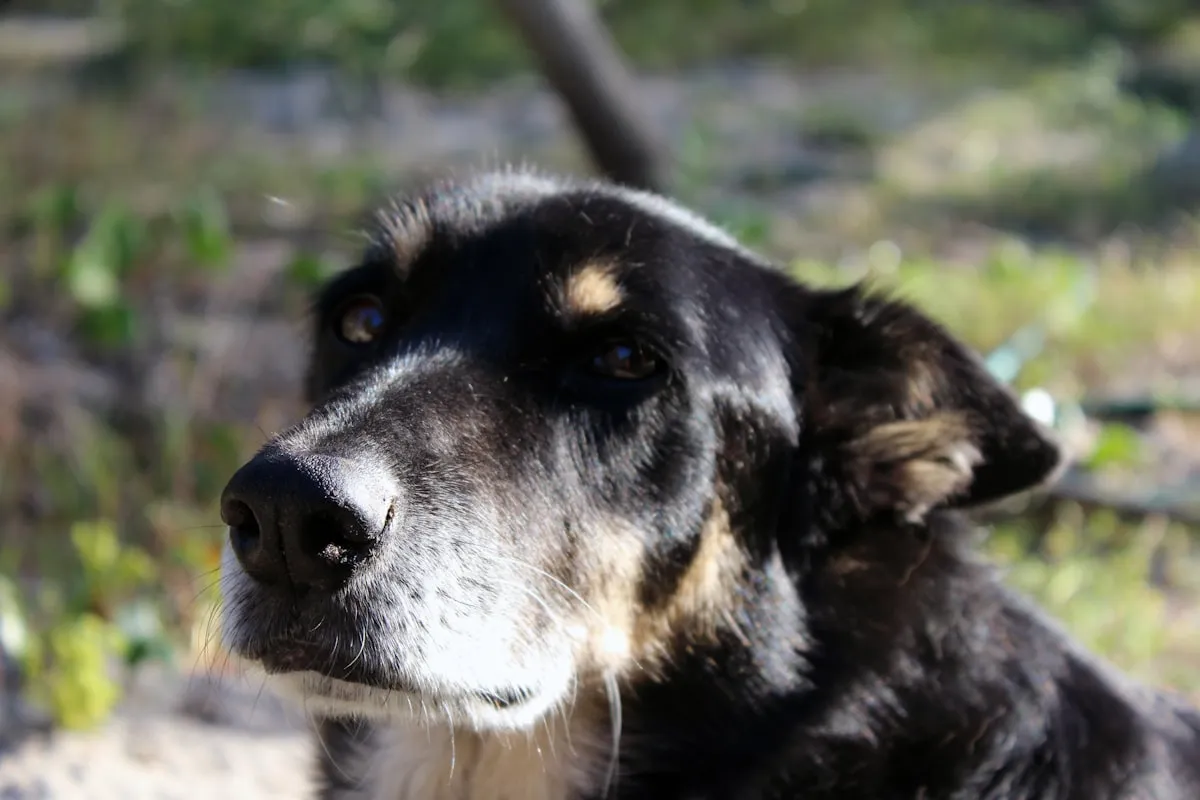
What it looks like: Whitening starts around the muzzle, then spreads up around the eyes and onto the brow. Some dogs gray early; others stay dark-faced until very late.
What it usually means: Normal aging, a visual signal more than a medical one. Gray muzzle is not a health problem on its own.
What helps at this stage:
- Nothing required. This is one of the cleanest aging signs.
When to take note: A 2016 study by King, Smith, Grandin & Borchelt, published in Applied Animal Behaviour Science (vol. 185, pp. 78-85), found that premature graying in young dogs (ages 1-4) correlates with anxiety and impulsivity. Graying in a dog of typical senior age is not a concern.
Sign 4: Cloudier Eyes (Lenticular Sclerosis vs. Cataracts)
What it looks like: A bluish or hazy appearance in the lens of one or both eyes.
What it usually means: Two very different conditions can look similar to an owner:
- Lenticular sclerosis is a normal aging change. The lens hardens slightly and reflects light differently. Vision is preserved. According to VCA Hospitals, lenticular sclerosis is a consistent finding in dogs over 6 years old, with prevalence reaching approximately 50% in dogs over 9 and approaching 100% in dogs over 13.
- Cataracts are an opacity that affects vision. Cataracts appear whiter and more opaque than lenticular sclerosis. They can progress to blindness if untreated.
What helps at this stage:
- An annual veterinary eye exam after age 7
- Bright, even lighting at home (helps both conditions)
- Avoiding sudden furniture rearrangement
When to skip waiting and call the vet: Sudden cloudiness, single-eye cloudiness, or signs your dog is bumping into things.
Sign 5: Weight Changes (Up or Down)
What it looks like: Your senior dog gains weight despite the same food and exercise, or loses weight without any dietary change.
What it usually means:
- Weight gain: slower metabolism plus reduced activity. Common but worth addressing, extra weight worsens joint problems and predicts shorter lifespan.
- Weight loss: can be normal in very old dogs, but can also signal kidney disease, dental pain, diabetes, hyperthyroidism, or gastrointestinal issues.
What helps at this stage:
- Weekly weight tracking using a kitchen scale (small dogs) or a bathroom scale (medium-large dogs, weighed while held)
- Portion-controlled senior-formula food
- A vet visit if weight shifts more than 5% in a week
When to skip waiting and call the vet: Any unintended weight loss in a senior dog warrants bloodwork. Don't wait to "see if it continues."
For specific food brand recommendations, see our best senior dog food guide.
Sign 6: Bad Breath and Dental Changes
What it looks like: Persistent bad breath (not just morning breath), drooling, dropping food, chewing on one side only, or visible tartar.
What it usually means: Periodontal disease. According to the American Veterinary Medical Association, 80-90% of dogs show some evidence of periodontal disease by age 3, with severity increasing through senior years. Dental disease is more than a mouth problem, it has documented effects on heart, kidney, and liver health.
What helps at this stage:
- Daily brushing with dog-safe toothpaste (the single highest-value preventive step)
- Vet-approved dental chews (Greenies and Whimzees are among the most commonly recommended)
- Annual professional dental cleaning under anesthesia
- A senior wellness exam that includes a dental evaluation
When to skip waiting and call the vet: Severe bad breath, refusal to eat, blood from the mouth, or facial swelling.
Sign 7: Behavioral Changes (Anxiety, Vocalization, or Confusion)
What it looks like: Pacing at night, vocalizing for no apparent reason, getting "lost" in familiar rooms, staring at walls, increased clinginess, or, paradoxically, withdrawing from family.
What it usually means: This is the most important sign on the list and the hardest one to ignore. It may indicate:
- Canine Cognitive Dysfunction (CCD), the canine equivalent of dementia. In an age-stratified cohort study by Neilson and colleagues, 28% of dogs aged 11 to 12 showed impairment in at least one behavior category linked to cognitive dysfunction, rising to 68% among dogs aged 15 to 16. Those were small groups, 80 and 34 dogs, and the dogs had been screened to exclude other conditions that change behavior.
- Hearing or vision loss causing disorientation
- Anxiety from physical decline elsewhere
What helps at this stage:
- A vet visit specifically to discuss CCD, most general wellness exams won't catch it unless you raise it
- Maintaining strict daily routines
- Senior cognitive support supplements (Nutramax Senilife and Purina Bright Mind are vet-recommended)
- Night lights in hallways and stairs
When to skip waiting and call the vet: Any of these signs warrant a senior wellness visit. For a deep dive into all 12 symptoms of CCD organized by the DISHA framework, read our dog dementia symptoms guide. It is the single most-searched topic in senior dog care for a reason.
Sign 8: Coat Changes and Skin Dryness
What it looks like: Coat looks duller, drier, or thinner. Skin flakes. Lumps or bumps that weren't there before. Healing that takes longer than it used to.
What it usually means: Reduced skin oil production, lower nutrient absorption efficiency, or, for lumps, anything from benign fatty cysts (common in older dogs) to mast cell tumors.
What helps at this stage:
- Omega-3 fatty acid supplementation (fish oil from IFOS-certified brands like Nordic Naturals Pet or Welactin)
- A senior diet with higher quality fats
- Brushing 2-3 times weekly to stimulate skin oil
When to skip waiting and call the vet: Any new lump, especially one that grows quickly, ulcerates, or changes color. Senior dogs deserve a "lump check" as part of every wellness exam.
What to Do With This List at Your Vet
Print this list. Take it to your next vet visit. Tell them which signs you're seeing and when each one started.
The 2023 AAHA Senior Care Guidelines for Dogs and Cats recommend a baseline senior wellness panel that includes:
- Complete blood count
- Chemistry panel
- Thyroid (T4)
- Urinalysis
- Blood pressure check
- Dental exam
- Body condition scoring
You can ask for any of these by name. A good vet welcomes a prepared owner.
For a downloadable senior dog wellness checklist with a full list of questions to ask, get our free 12-page Senior Dog Care Checklist.
Senior Dog Aging Signs Frequently Asked Questions
What are the first signs of a dog aging? The most common first senior dog aging signs are slower movement on stairs, increased daytime sleep, gray muzzle hairs, slight weight changes, and subtle behavioral shifts. Most dogs show one or two early aging signs months before they technically become seniors.
How do you know when your dog is becoming a senior? Watch for a combination of two or more aging signs (such as slower stairs + more sleep + gray muzzle) plus your dog crossing the senior age threshold for their breed size. Either alone is suggestive; both together is clear.
At what age do dogs start showing signs of aging? Most dogs show subtle aging signs months before they technically become seniors. Small dogs may start showing signs around age 9-10, medium dogs around 7-8, large dogs around 6-7, and giant breeds as early as 5-6.
What are the symptoms of an old dog? Common symptoms of an old dog include arthritis-related slowness, gray muzzle, cloudier eyes, weight changes, bad breath, increased sleep, and, in some dogs, early cognitive changes such as pacing at night or confusion in familiar places.
Do dogs know they are getting old? Dogs don't appear to have a conceptual awareness of aging the way humans do. They do adapt their behavior to physical changes, moving more carefully, choosing softer resting spots, and shortening their active hours. This is adaptation, not awareness.
How do I help my aging dog? Five steps cover most of what helps: regular senior vet visits (every 6 months), a senior-appropriate diet, gentle daily exercise, joint support (supplements and orthopedic bedding), and prompt attention to new symptoms rather than a wait-and-see approach.
What is the most common cause of death in older dogs? Cancer is widely cited in veterinary epidemiology as one of the leading causes of death in dogs over the age of 10 across most breeds, with the Morris Animal Foundation among the major sources tracking long-term canine cancer epidemiology. Heart disease, kidney disease, and complications from arthritis-related immobility are also major contributors.
How long do dogs typically live after showing signs of aging? Aging signs typically appear in the year before or first year of senior life. Once a dog enters senior years, the remaining lifespan averages 2-7 years depending on breed and size. Small breeds tend to have a longer senior phase; giant breeds, shorter.
Sources
- American Veterinary Medical Association (22 May 2023). Canine osteoarthritis drug, Lyme disease bacteria vaccine receive approvals. (Source of the figures used here: OA affects more than 20% of dogs and is the most common cause of lameness in dogs older than 1 year, rising to almost 80% in senior patients. The AVMA cites no study for the senior figure.)
- AVMA. Pet Dental Health. American Veterinary Medical Association.
- AAHA. Senior Care Guidelines for Dogs and Cats (current edition). American Animal Hospital Association.
- VCA Animal Hospitals. Lenticular Sclerosis in Dogs.
- Merck Veterinary Manual. Aging and Dogs.
- Salvin, H. E., McGreevy, P. D., Sachdev, P. S., & Valenzuela, M. J. (2010). Under diagnosis of canine cognitive dysfunction: A cross-sectional survey of older companion dogs. The Veterinary Journal, 184(3), 277-281. (CCD prevalence 14.2% in a sample of 497 dogs; only 1.9% had been diagnosed by a veterinarian.)
- Neilson, J. C., Hart, B. L., Cliff, K. D., & Ruehl, W. W. (2001). Prevalence of behavioral changes associated with age-related cognitive impairment in dogs. Journal of the American Veterinary Medical Association, 218(11), 1787-1791. (Impairment in at least one behavior category: 28% of dogs aged 11 to 12, 22 of 80; 68% of dogs aged 15 to 16, 23 of 34.)
- King, C., Smith, T. J., Grandin, T., & Borchelt, P. (2016). Anxiety and impulsivity: Factors associated with premature graying in young dogs. Applied Animal Behaviour Science, 185, 78-85.
- Cornell University College of Veterinary Medicine. Senior Pet Care.
Keep Reading
- When Is a Dog Considered a Senior? (Vet-Sourced Age Chart)
- Dog Dementia: 12 Symptoms Every Senior Dog Owner Should Know
- 5 At-Home Ways to Ease Your Senior Dog's Arthritis
- Best Senior Dog Food: Vet-Sourced Comparison
- Best Orthopedic Dog Beds for Senior Dogs
About the authors
Sarah Bennett writes about senior dog care from a household centered on her Border Collie Lucy. Distilling the 8-sign framework from veterinary literature was the work of pulling repeated themes out of dozens of AAHA documents. She is not a veterinarian; her work is reported, sourced from veterinary literature, peer-reviewed research, and manufacturer documentation, and reviewed against published guidelines.
Leo Bennett is the co-author of Senior Dog Daily and Sarah's husband. The pair share research and writing duties on the site.