
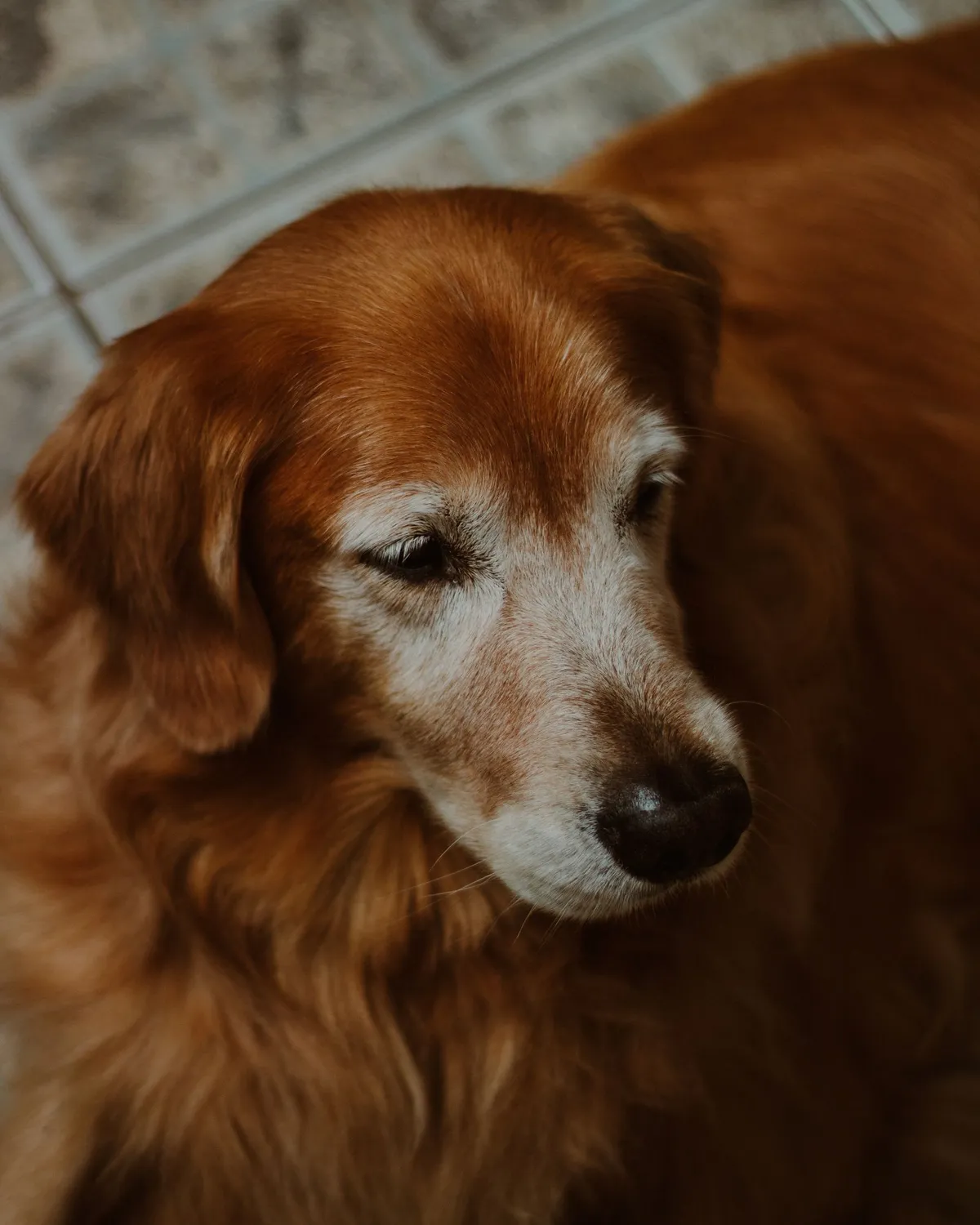
Senior Dog Diarrhea: How to Prevent It, and When to Worry
By Sarah Bennett · Last updated July 4, 2026 · 10 min read
The short version: Most senior dog diarrhea is more preventable than owners expect. The biggest levers are keeping the diet consistent, guarding against scraps and garbage, being careful with medications, managing stress, and catching underlying disease early with routine bloodwork. The safety half matters just as much: older dogs dehydrate faster than young ones, so diarrhea that comes with vomiting, blood, weakness, or a refusal to drink is a call-the-vet situation, not a wait-and-see one. This guide leads with prevention and ends with the signs that mean act now.
A single loose stool happens to every dog, and most of the time it passes on its own. But diarrhea in an older dog deserves more attention than the same upset in a young one, for two reasons. First, a senior's body has less reserve, so dehydration and weakness set in faster. Second, recurring or lingering diarrhea in an older dog is more likely to be the visible edge of something underneath, from a medication side effect to kidney disease. The good news is that a large share of senior dog diarrhea is preventable once you know where it actually comes from. So this guide spends most of its length on prevention, then gives you a clear line for when a bout has crossed from nuisance to urgent.
Why Senior Dogs Get Diarrhea More Easily, and Why It Is Riskier
A few things about an aging body raise both the odds and the stakes.
- A less resilient gut. The digestive tract and its balance of bacteria become less adaptable with age, so the same diet change or stressor that a young dog shrugs off can loosen a senior's stool.
- More medications. Older dogs are more likely to be on drugs, anti-inflammatories, antibiotics, heart or thyroid medications, and several of these commonly cause loose stools.
- More underlying disease. Kidney disease, pancreatitis, inflammatory bowel disease, and others become more common with age, and diarrhea can be one of their signs.
- Faster dehydration. This is the one that raises the stakes. A senior with less body reserve loses ground quickly when fluids run out one end, which is why the threshold for calling the vet is lower than it would be for a puppy with the same symptom.
None of this means you should panic at a soft stool. It means prevention is worth real effort, and the emergency signs are worth knowing before you need them.
How to Prevent Senior Dog Diarrhea
This is where most of the control actually sits. These are the levers that prevent the majority of avoidable bouts.
Keep the diet consistent, and change it slowly. The single most common cause of avoidable diarrhea is a sudden change in food. An older gut handles abrupt switches poorly, so when you do change foods, transition over seven to ten days, moving from mostly old food to mostly new a little at a time. This is the same careful changeover we describe for switching a senior to a new diet. Resist changing treats and chews on a whim too, and pick one good senior dog food and stay with it rather than rotating for variety.
Guard the "ate something" routes. Dietary indiscretion, the polite term for raiding the trash, snatching table scraps, or scavenging on a walk, is a top cause of diarrhea at every age. In a senior it carries an extra risk: fatty foods like meat trimmings and drippings are associated with pancreatitis, and access to the trash carries the strongest association of the lot. Keep the garbage secured, skip the rich table scraps, and be especially careful around holidays and cookouts, which we cover in cookout foods dangerous for dogs.
Be deliberate with medications and supplements. If your dog starts a new drug and the stool loosens, that is worth a call to the prescribing vet rather than a silent tolerance. Many medications are gentler on the gut when given with food, and never start a supplement or a leftover prescription on your own. Antibiotics in particular disrupt gut bacteria, so ask your vet whether a probiotic for senior dogs during and after a course makes sense for yours.
Manage stress. Dogs get stress-related diarrhea, sometimes called stress colitis, and older dogs often handle disruption less easily than they used to. Boarding, houseguests, travel, a new pet, or a change in routine can all set it off. You cannot prevent every stressor, but you can soften them: keep feeding times steady, hold onto familiar bedding and routine during changes, and give an anxious senior a quiet retreat.
Stay current on preventive care. Intestinal parasites still cause diarrhea in adult and senior dogs, and they are easy to prevent and easy to miss. Keep up with the parasite prevention and stool checks your vet recommends for your area, rather than assuming an older indoor dog is past the risk.
Catch underlying disease early, which is the highest form of prevention. The most valuable thing you can do is find the internal problems that cause chronic diarrhea before they announce themselves loudly. Routine senior wellness bloodwork can flag kidney disease, thyroid changes, and other conditions early, when they are easier to manage. Our guide to preparing for a senior vet visit covers what to ask for. Prevention here is really early detection.
When Senior Dog Diarrhea Is an Emergency
Prevention handles the common bouts. This section handles the ones that need a professional, and because seniors dehydrate quickly, the bar is deliberately lower than for a young dog. Use what else you are seeing to decide how fast to act.
| What you are seeing | What it suggests | What to do |
|---|---|---|
| One or two loose stools, dog is bright, eating, and drinking | Minor upset | 🟢 Watch at home, keep water available |
| Diarrhea lasting more than 24 to 48 hours, otherwise stable | Needs assessment | 🟡 Call the vet |
| Diarrhea with vomiting, or a dog who will not drink | Dehydration risk | 🔴 Call now; seniors dehydrate fast |
| Blood in the stool, either fresh red or black and tarry | Gastrointestinal bleeding | 🔴 Vet now |
| Diarrhea with weakness, collapse, or a painful or bloated belly | Serious illness | 🔴 Emergency |
| Any chance your dog ate a toxin | Poisoning | 🔴 Emergency; ASPCA Poison Control (888) 426-4435 |
The short rule: a bright, hydrated senior with mild, brief diarrhea can usually be watched at home for a day. A senior who is also vomiting, bleeding, weak, or refusing water should be seen, and sooner rather than later. When you are unsure, a phone call to your clinic costs nothing and can tell you which it is.
What to Do at Home for a Mild Bout
If your dog is bright and the diarrhea is mild, these steps support recovery while you watch:
- Keep water available. Do not restrict water to slow the diarrhea. Dehydration is the real danger, so let your dog drink. If she will not drink at all, that moves her into the call-the-vet column.
- Go easy on food, briefly. A short rest for the gut can help, but do not fast an older dog for long, since seniors need their calories and a prolonged fast can do harm. A few hours is usually plenty before offering a small, bland meal.
- Offer a bland diet. Plain boiled chicken and white rice, in small amounts, is the classic gentle option for a day or two before easing back to the regular food. Your vet may recommend a prescription intestinal diet instead, which is a fine choice.
- Skip the human remedies, and Imodium in particular. Do not reach for human anti-diarrheal or pain medications, which can be unsafe for dogs, especially a senior on other drugs. Loperamide, the active ingredient in Imodium, is the specific one to know about: in a dog carrying the MDR1 mutation, Washington State University says the doses used for diarrhea will cause neurological toxicity, and the mutation is common in herding breeds and turns up in mixed breeds without anyone knowing. If your dog also seems nauseous or is trembling, our guide to why a senior dog shakes covers when that combination needs a vet.
- Watch the trend. Note whether it is improving, how your dog's energy and appetite are, and whether she is drinking. If it is not clearly better within a day, or anything on the emergency list appears, call.
When It Comes With Vomiting
Diarrhea and vomiting together move the urgency up rather than adding two mild problems. Fluid is leaving from both ends, which in an older dog with any degree of kidney compromise is a faster problem than either alone, and the combination narrows the likely causes toward pancreatitis, an obstruction, or a toxin. If both are happening, treat it as a same-day call, and read senior dog vomiting for the thresholds on that side.
Frequently Asked Questions
How do I prevent diarrhea in my senior dog? The biggest levers are keeping the diet consistent and changing foods slowly over seven to ten days, keeping your dog out of the trash and off rich table scraps, giving medications with food and asking about probiotics during antibiotics, reducing stress around changes in routine, and staying current on parasite prevention. Routine senior bloodwork also catches the internal causes of chronic diarrhea early.
Is diarrhea in an older dog an emergency? Not usually, but the threshold is lower than for a young dog because seniors dehydrate faster. Treat it as urgent if the diarrhea comes with vomiting, blood, weakness, a painful belly, or a refusal to drink, or if it lasts more than a day or two. A single mild loose stool in a bright, drinking dog can usually be watched at home.
What can I feed a senior dog with diarrhea? For a mild bout, a small amount of plain boiled chicken and white rice is the traditional bland option for a day or two before transitioning back to the regular diet. Keep water available throughout. Do not fast an older dog for long, and ask your vet about a prescription intestinal diet if diarrhea is frequent.
How long is it safe to wait out dog diarrhea at home? For a senior who is otherwise bright, eating, and drinking, about 24 hours of watchful waiting is reasonable. If it is not clearly improving by then, or if vomiting, blood, lethargy, or a refusal to drink appears at any point, call your vet rather than waiting longer.
Why does my senior dog keep getting diarrhea? Recurring diarrhea in an older dog points to something ongoing rather than a one-off upset: a food that does not agree with her, a medication, chronic stress, parasites, or an underlying condition such as inflammatory bowel disease, pancreatitis, or kidney disease. Repeated bouts are worth a vet workup, including bloodwork, rather than repeated rounds of bland diet.
For the wider question of which senior symptoms mean tonight and which mean this week, see senior dog emergency signs.
Sources
- Merck Veterinary Manual. Disorders of the stomach and intestines in dogs. (Common causes of diarrhea, dehydration, and when veterinary care is needed.)
- Merck Veterinary Manual. The fluid resuscitation plan in animals. (Why the skin tent and sunken eyes read as dehydration in geriatric and thin dogs even when hydration is normal.)
- Cornell University College of Veterinary Medicine, Riney Canine Health Center. Diarrhea.
- American Animal Hospital Association. Evaluating the unhealthy senior pet, from the 2023 AAHA Senior Care Guidelines for Dogs and Cats. (aaha.org refuses automated requests, so this one is listed by title rather than linked.)
- ASPCA Animal Poison Control Center, (888) 426-4435, for 24-hour guidance if a toxin is a possible cause. (Number confirmed against the ASPCA's own page on 2026-09-14. A consultation fee may apply.)
Keep Reading
- Best Probiotics for Senior Dogs
- Cookout Foods Dangerous for Dogs
- Senior Dog Kidney Disease
- Why Your Senior Dog Won't Eat
About the authors
Senior Dog Daily is written by Sarah Bennett and Leo Bennett, a husband-and-wife team in the American Midwest, with their Border Collie Lucy as the reason it started. Neither of us is a veterinarian. We read veterinary guidance and turn it into plain, practical explanations, with the claims traceable to the sources above. With senior dog diarrhea, the honest message is that prevention does most of the work, keeping the diet steady, guarding against scraps, being careful with medications, and catching disease early, while the job of the emergency signs is to make sure a fast-dehydrating older dog gets help before a simple upset becomes a serious one.