
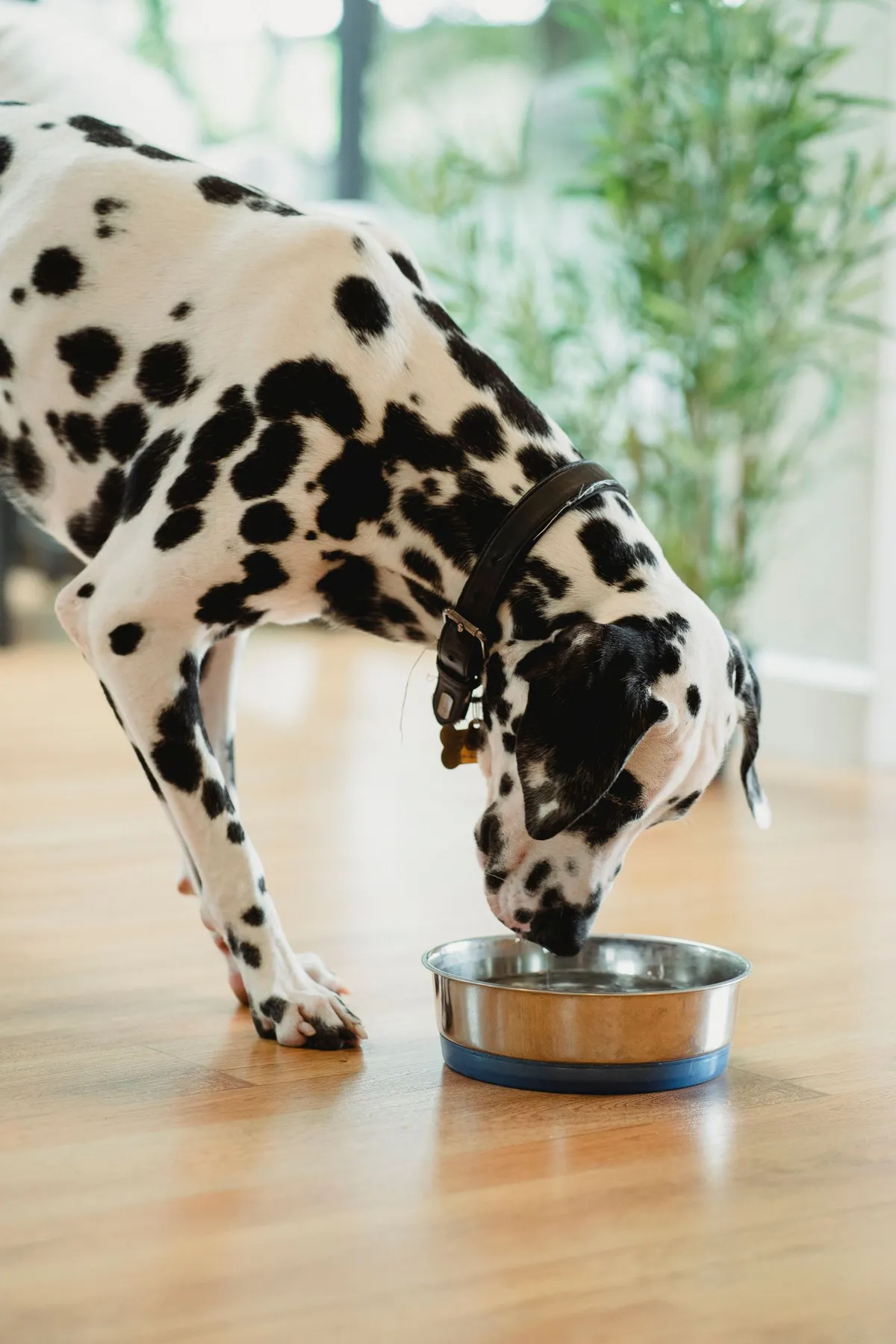
Senior Dog Drinking a Lot of Water: What It Means, and When to Worry
By Sarah Bennett · Last updated July 5, 2026 · 10 min read
The short version: Unlike sleeping more, which is usually just age, a senior dog drinking a lot of water is one of the signs veterinarians most want to hear about. A real, sustained increase in thirst, and the extra urination that comes with it, is a classic early flag for kidney disease, diabetes, or Cushing's disease, all of which are more manageable when caught early. Some causes are harmless, like hot weather or a switch to dry food. But because the serious ones are treatable and time matters, new or increased drinking in an older dog is worth a vet visit rather than a wait. One thing to know now: never restrict your dog's water to control it. That can be dangerous.
Most changes in an older dog are worth watching calmly. Increased thirst is one of the few worth acting on a little sooner. The reason is simple: drinking noticeably more, usually paired with peeing noticeably more, is one of the earliest and most reliable outward signs of several diseases that are common in senior dogs and genuinely treatable when found early. It is not a reason to panic, and the cause is sometimes harmless. But it is the kind of change that earns a vet appointment and a simple test, because catching what is behind it early is exactly what changes the outcome.
How Much Water Is Too Much for a Senior Dog?
Some variation is normal. A dog drinks more after exercise, in hot weather, after eating dry food, or on certain medications. What matters is a sustained increase over your dog's own baseline, the sense that the bowl is emptying faster than it used to and needs refilling more often.
As a rough guide, veterinarians generally consider more than about 100 milliliters of water per kilogram of body weight per day to be excessive. For a 20-kilogram (44-pound) dog, that is roughly two liters, or about half a gallon, in a day. Most healthy dogs drink well under that.
The number is softer than it looks, and it is soft in the direction that matters. A 2026 review in the Journal of Small Animal Practice notes that while excessive drinking is very likely above that line, it "may manifest itself at much lower daily volumes in dogs who normally drink little". The same review points out that normal dogs have been recorded anywhere from 4 to 109 mL/kg/day, and that one study put the upper limit of normal nearer 70. So a dog who has always been a light drinker can be in real trouble at 80, and a dog who has always emptied the bowl can be fine at 105. Her own previous normal is the comparison that counts. The line is only there for when you do not have one.
You do not have to guess. For a day or two, measure what you put in the bowl and pour out what is left, or fill a marked jug each morning and top the bowl only from that. Account for other water sources and other pets. A number in hand, even a rough one, turns a vague worry into something your vet can act on. If keeping up a manual tally is hard, that is the one thing a wearable genuinely solves. Maven Pet clips onto the collar she already wears and tracks how much she drinks day to day, so a rising trend shows up as a line rather than as a feeling you cannot quite pin down. It does not diagnose anything, and it will not tell you why she is drinking more. Our honest Maven Pet review covers who it is worth it for and who should skip it. For most owners a marked jug for a day or two is all it takes, and that costs nothing. (Maven is an affiliate partner, so we may earn a commission if you subscribe, at no extra cost to you.)
Why Is My Senior Dog Drinking So Much Water?
Increased thirst has a short list of common causes in older dogs. The first three are the ones that make this symptom worth taking seriously.
Kidney disease. As kidney function declines, the kidneys lose the ability to concentrate urine, so the dog urinates more and drinks more to keep up. Increased thirst is often one of the first signs owners notice of chronic kidney disease, and the right diet and management can meaningfully slow it when it is caught early.
Diabetes. In diabetes, excess sugar spills into the urine and pulls water with it, driving both heavy urination and thirst. Increased drinking, a bigger appetite, and weight loss together are a classic pattern worth checking promptly, which we cover in senior dog diabetes symptoms.
Cushing's disease. This hormonal condition, more common in older dogs, raises cortisol and very often shows up first as heavy drinking and urination, sometimes with a pot-bellied look, thinning coat, or increased hunger. Our guide to Cushing's disease in senior dogs walks through it.
Beyond those three, increased thirst can come from a urinary tract infection, liver disease, high blood calcium, certain medications (steroids and some diuretics are common culprits), and simple causes like heat, exercise, or a diet change. Because that list ranges from trivial to serious, the practical move is not to diagnose it yourself but to let a quick test sort it out.
A senior dog drinking a lot of water is also almost always a senior dog urinating a lot, so if you are seeing more accidents or more trips outside alongside the drinking, that fits, and our guide to an old dog peeing in the house covers that side of it.
The One Thing Not to Do: Restrict Water
This is the most important line in this guide. When a dog suddenly drinks a lot and starts having accidents, the instinct is to cut back the water. Do not do this.
In almost every cause of increased thirst, the drinking is the body compensating for water it is losing, through dilute urine in kidney disease, through sugar-laden urine in diabetes. The thirst is a rescue, not the problem. Take the water away and you do not fix anything; you push a dog who is already losing fluids toward dangerous dehydration, quickly, in a body that has little reserve. A diabetic or kidney patient denied water can crash.
Manage the accidents another way, with more trips outside, washable bedding and waterproof protection, and a vet visit to treat the cause. Keep the water bowl full, and put out more than one: extra bowls beat any hardware upgrade for keeping water within easy reach of an older dog.
When to See the Vet
Because the common causes are treatable and easier to manage early, a genuine, sustained increase in thirst is worth a non-urgent vet appointment on its own, even if your dog seems otherwise well. Bring your rough measurement if you have one.
Move faster, and call sooner, if the increased drinking comes with any of these:
| Usually a routine vet visit | Call the vet sooner |
|---|---|
| Drinking more, but otherwise bright, eating, and comfortable | Drinking more plus vomiting, or not eating |
| A gradual, steady increase over weeks | A sudden, dramatic increase |
| No other symptoms yet | Weight loss, lethargy, or a swollen belly |
| Not on a new medication | Known diabetes, or acting weak or disoriented |
A diabetic dog who is drinking heavily and also vomiting or lethargic is an emergency, not a wait-and-see. For most other dogs, prompt but not frantic is the right speed.
What the Vet Will Do
There is reassurance in knowing how simple the first step usually is. For increased thirst, a vet typically runs blood work and a urine test, and that pair alone identifies most causes: kidney values, blood sugar for diabetes, and clues pointing toward Cushing's, a urinary infection, or high calcium. From there, they may add a specific follow-up test to confirm.
The point is that a symptom which can feel alarming usually leads to a straightforward, affordable set of tests, and to a diagnosis you can then actually do something about. Preparing for that visit is covered in our senior dog vet visit guide.
Frequently Asked Questions
How much water should a senior dog drink in a day? As a rough rule, a healthy dog drinks somewhere under about 100 milliliters per kilogram of body weight a day, and often well under that. For a 20-kilogram dog, drinking much more than roughly two liters a day is worth a vet check. But treat that as a backstop rather than a test: a dog who has always drunk sparingly can be drinking excessively well below it. What matters most is a clear, sustained increase over your dog's own normal amount.
Why is my senior dog suddenly drinking so much water? A sudden, sustained increase in thirst in an older dog is most often an early sign of kidney disease, diabetes, or Cushing's disease, and it can also come from a urinary infection, liver issues, or medications. Because the common causes are treatable and better managed early, it is worth a prompt vet visit and a simple blood and urine test.
Should I limit my senior dog's water if she is drinking too much? No. Restricting water is dangerous, because the drinking is usually compensating for fluid the body is losing, so cutting it back can cause rapid, serious dehydration, especially in a dog with kidney disease or diabetes. Keep the water available, manage any accidents in other ways, and treat the underlying cause with your vet.
Is a senior dog drinking a lot of water always serious? Not always. Heat, exercise, a switch to dry food, and some medications can all increase drinking harmlessly. But because increased thirst is also an early sign of several serious, treatable conditions, the safe approach is to have a new or sustained increase checked rather than assume it is nothing.
My old dog is drinking and peeing a lot. What does that mean? Increased drinking and increased urination almost always go together, and as a pair they are a classic sign of kidney disease, diabetes, or Cushing's. Do not restrict water to reduce the accidents. Instead, note how much she is drinking, manage the accidents with more outings and washable bedding, and book a vet visit for the blood and urine tests that will find the cause.
Sources
- Pavlovsky, G. (2026). Psychogenic polydipsia in dogs: a review of pathogenesis, diagnosis and treatment. Journal of Small Animal Practice. (Polydipsia defined as intake above 90 to 100 mL/kg/day, polyuria as urine output above 50 mL/kg/day, with the caveat that dogs who normally drink little can be polydipsic well under the line, and a recorded normal range of 4 to 109 mL/kg/day.)
- Veterinary Partner. Polyuria and polydipsia in dogs and cats. (Reader-facing version of the same diagnostic approach.)
- Cornell University College of Veterinary Medicine, Riney Canine Health Center. Canine polyuria and polydipsia.
Corrected 2026-09-14: the 100 mL/kg/day figure was previously credited to the Merck Veterinary Manual. It is not on Merck's diabetes insipidus or renal dysfunction pages, whose only numeric threshold is urine output above 2 mL/kg/hour, so the attribution has been moved to a source that states it.
Keep Reading
- Senior Dog Kidney Disease
- Senior Dog Diabetes Symptoms
- Cushing's Disease in Senior Dogs
- Why Is My Old Dog Peeing in the House?
About the authors
Senior Dog Daily is written by Sarah Bennett and Leo Bennett, a husband-and-wife team in the American Midwest, with their Border Collie Lucy as the reason it started. Neither of us is a veterinarian. We read veterinary guidance and turn it into plain, practical explanations, with the claims traceable to the sources above. With a senior dog drinking a lot of water, the honest message is the opposite of the one for extra sleep: do not wait it out. Keep the water flowing, note how much she is drinking, and let your vet run the simple tests that turn a worrying symptom into a treatable diagnosis.