
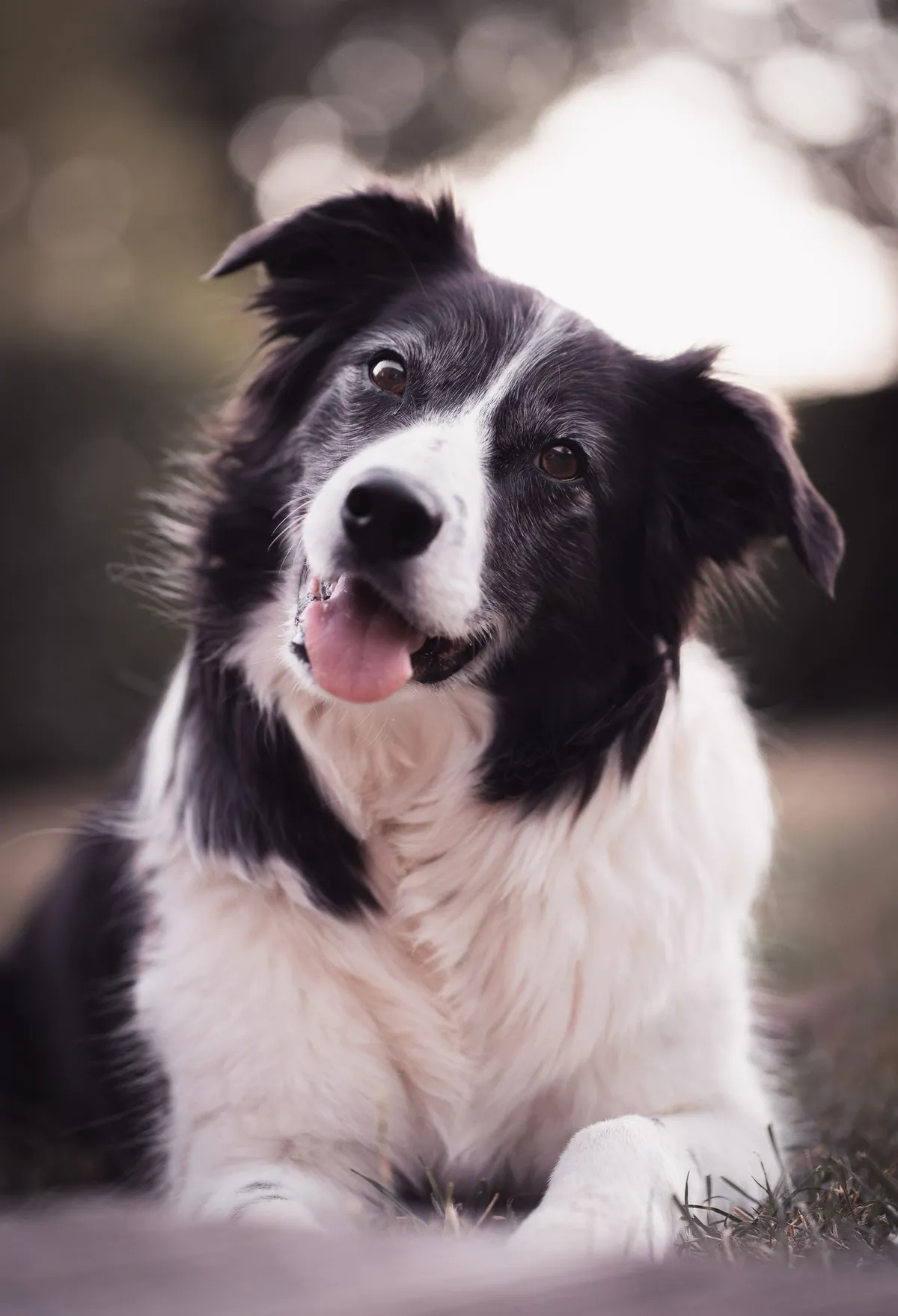
Senior Border Collie Health Problems
By Sarah Bennett · Last updated June 11, 2026 · 11 min read
Border Collies are one of the longest-lived and generally healthiest of the working breeds, often reaching 12 to 15 years, with an average of about 12 to 13. But two things make their senior years distinct. First, they carry a specific set of inherited risks, in the eyes, the joints, and the nervous system, that are worth knowing before they appear. And second, no breed feels the gap between a willing mind and a slowing body more acutely, because a Border Collie's whole identity is built on work, drive, and problem-solving. The hardest part of caring for an aging Collie is often not a disease at all; it is keeping a brilliant mind engaged when the body can no longer do what it wants to.
This guide covers the seven senior Border Collie health problems worth watching for, the early signs, the daily habits that genuinely help, and the gear that makes an aging Collie's life easier. We write this one close to home: our own Lucy is a Border Collie, so the breed's particular mix of brains and stubbornness is familiar territory. We are not veterinarians; this is reported from veterinary and breed-health sources and is not a substitute for an exam.
Why Border Collies Have a Distinct Senior Health Profile
A Border Collie was bred for one thing above all: to work tirelessly, think independently, and respond to the smallest cue across a field all day. That genetic package shapes how they age. Physically they tend to stay sound and active longer than many breeds, which is good news, but it also means the slowdown, when it comes, can be a hard adjustment for a dog who has never known how to be idle.
The inherited risks cluster in three systems: the eyes (Border Collies have several hereditary eye conditions), the joints (hip dysplasia leading to arthritis), and the nervous system (epilepsy, and later, degenerative myelopathy and cognitive change). Knowing where your breed is vulnerable lets you catch problems early, when there are still the most options.
The 7 Most Common Senior Border Collie Health Problems
1. Hip Dysplasia and Osteoarthritis
Hip dysplasia, a poorly fitting hip joint, is common in the breed and sets the stage for arthritis as the dog ages. In a Collie, the first sign is often subtle: a dog who used to spring onto the couch now hesitates, slows on long walks, or stops offering the tight turns and stops that herding play demands. Because Collies are so driven, they often push through pain, which means owners miss it. Weight control, joint support, and pain management make a large difference. See help an old dog with arthritis at home and best joint supplements for senior dogs.
2. Eye Disease: Collie Eye Anomaly and Progressive Retinal Atrophy
The breed carries two notable inherited eye conditions. Collie Eye Anomaly (CEA) is a developmental condition of the retina and related structures, present from birth and identifiable by genetic test. Progressive Retinal Atrophy (PRA) is a gradual degeneration of the retina that can lead to blindness, and in this breed it can begin in young adulthood as well as later in life. In a senior Collie, the early sign of failing vision is usually reluctance in dim light, bumping into things at dusk, or hesitation on stairs. Vision loss in dogs is rarely the catastrophe owners fear; dogs adapt well, especially in a familiar home. Our guide to a nightlight for a blind senior dog covers simple ways to help, and senior Collies are also prone to cataracts.
3. Epilepsy
Border Collies are among the breeds predisposed to idiopathic epilepsy, recurrent seizures with no other identifiable cause. While epilepsy usually begins earlier in life, a senior Collie with a long history of managed seizures needs careful, consistent medication and monitoring, and any new-onset seizures in an older dog warrant a full workup, because in a senior, a first seizure is more likely to point to another cause (such as a tumor or metabolic disease) than to idiopathic epilepsy.
4. Dental Disease
By age three most dogs already have some periodontal disease, and it only builds over the years. In a senior Border Collie it is easy to miss, because she will keep eating and working through a sore mouth without complaint, but dental infection is not just a mouth problem; the bacteria stress the whole body, and the pain quietly wears on her. Bad breath, tartar, reddened gums, or a new reluctance to chew on one side are worth a dental check. Consistent dental care is one of the higher-impact and most underrated things you can do for an aging dog. See senior dog dental care.
5. Hearing Loss
Age-related hearing loss is common in all senior dogs, and Border Collies, particularly double merles (dogs with two copies of the merle gene), can also carry congenital deafness risk. For a breed that lives on subtle cues and the sound of your voice, fading hearing can look like stubbornness or confusion. A Collie who stops responding to recall, sleeps through your arrival, or startles when touched may be losing her hearing rather than ignoring you. Switching to hand signals (which Collies learn fast) keeps you connected.
6. Cancer
Cancer is one of the leading causes of death in Border Collies, as it is across many breeds in their senior years. The practical defense is the same as for any dog: know your dog's normal, check for new lumps, and act on changes rather than waiting. Our guide to senior dog cancer warning signs lists the ten signs worth a same-week vet visit.
7. Canine Cognitive Dysfunction
This is the one that hits the breed hardest. Cognitive dysfunction, the canine equivalent of dementia, is difficult for any dog, but for a Border Collie, whose self is built on sharpness and engagement, the loss of mental clarity is especially hard to watch and especially worth slowing. Early signs include disorientation, changed sleep, pacing, and a fading of the trained responses that defined her. The good news is that mental stimulation and routine genuinely help; see dog dementia symptoms and mental stimulation for senior dogs.
Early Signs Worth Catching
In a stoic, driven breed, the early signs are easy to miss because the dog hides them. Watch for:
- Hesitation before jumps she used to make without thought (joints)
- Bumping or caution in low light (vision)
- Not responding to her name or recall (hearing or cognition)
- A back paw scuffing or knuckling, or nails worn flat on top (DM)
- Changed sleep, pacing, or a blank look (cognitive change)
- A new lump, or any change you would not expect (cancer screening)
A Collie will rarely tell you she is struggling. The job is to notice the small drop-offs in a dog who is built to push through.
Daily Habits That Prevent Senior Border Collie Health Problems
- Keep her lean. Less weight on dysplastic hips delays arthritis more than any supplement.
- Trade some physical work for mental work. As the body slows, scent games, puzzle feeders, and short training sessions keep the mind satisfied without taxing sore joints. This is the single most important adjustment for an aging Collie.
- Keep movement low-impact and regular. Gentle, consistent exercise preserves muscle and joints better than weekend bursts.
- Stay ahead of the senses. Teach hand signals before hearing fully goes, and keep the home layout consistent as vision fades.
- Twice-yearly senior vet visits with bloodwork, so the treatable problems are caught early.
- Mind the teeth. Dental disease is common and quietly painful in older Collies.
The Right Gear for a Senior Border Collie Household
- Non-slip runners on hard floors, essential for a dog with stiff hips or a weak back end.
- A support harness for helping her up and steadying her on walks.
- A ramp for the car or couch, to spare the jumps that grind down arthritic hips.
- A nightlight for a Collie whose vision is fading.
- Puzzle and scent toys to feed the working mind that does not retire when the body does.
Beyond the Top 7: Other Senior Collie Concerns
A few other issues round out the picture: heart disease in the later years, hypothyroidism (worth testing when an older Collie gains weight and slows), and the eye condition cataracts, which can develop with age separately from the inherited retinal diseases. One more deserves an honest mention: the Border Collie can carry the SOD1 gene variant linked to degenerative myelopathy, the painless hind-leg disease, but the breed is not a recognized high-risk breed for it the way the German Shepherd or Corgi is, and reported cases are uncommon. Still, if a Collie ever develops painless, progressive back-leg weakness, DM is worth ruling out. None of these are unique to the breed, but all are worth keeping on the list for an aging Collie.
Frequently Asked Questions
What are the most common senior Border Collie health problems?
The most common are hip arthritis, inherited eye disease (Collie Eye Anomaly and progressive retinal atrophy), epilepsy, dental disease, age-related hearing loss, cancer, and canine cognitive dysfunction. Alongside these, the breed's particular challenge is keeping a high-drive mind engaged as the body slows.
How long do Border Collies live?
Border Collies are a long-lived breed, commonly reaching 12 to 15 years, with an average around 12 to 13. Good weight control, dental care, mental engagement, and twice-yearly senior vet visits all help an aging Collie make the most of that lifespan.
Why is my old Border Collie not listening anymore?
It may not be stubbornness. A senior Collie who stops responding to her name, recall, or familiar cues is often losing her hearing or experiencing early cognitive change rather than choosing to ignore you. Both are worth a vet visit, and teaching hand signals keeps you connected as hearing fades.
Is my Border Collie's back-leg weakness arthritis or degenerative myelopathy?
The key difference is pain. Arthritis hurts and causes stiffness and reluctance; degenerative myelopathy is painless and causes knuckling and loss of coordination. Because the two can overlap and the painful one is the more treatable, this is a distinction your vet should make, often with imaging and a neurologic exam.
How do I keep my senior Border Collie mentally stimulated?
Trade some of the physical work her body can no longer do for mental work it still loves: scent games, puzzle feeders, short low-impact training sessions, and new but gentle challenges. For a Border Collie, mental engagement is not a luxury in old age; it is central to her wellbeing.
Sources
- American Kennel Club, Border Collie breed health. akc.org
- University of California Davis Veterinary Genetics Laboratory, Border Collie genetic conditions (CEA, DM/SOD1). vgl.ucdavis.edu
- Lap of Love, Degenerative Myelopathy in Dogs. lapoflove.com
Keep Reading
- Degenerative Myelopathy in Dogs, the painless hind-leg disease the breed can carry
- Dog Dementia Symptoms, early signs of the cognitive change that hits this breed hard
- Mental Stimulation for Senior Dogs, keeping a working mind satisfied as the body slows
- Help an Old Dog with Arthritis at Home, easing the hip arthritis common in the breed
- Senior Dog Cancer Warning Signs, the ten signs worth a same-week visit
About the authors
Sarah Bennett writes about senior dog care from a household centered on her Border Collie, Lucy. This piece was personal: these are the breed-specific risks she keeps in mind for Lucy as she ages, and the challenge of keeping a brilliant, work-driven mind engaged for as many good years as possible is the one she thinks about most. She is not a veterinarian; her work is reported, sourced from veterinary and breed-health literature, and reviewed against published guidance.
Leo Bennett is the co-author of Senior Dog Daily and Sarah's husband. The pair share research and writing duties on the site.