
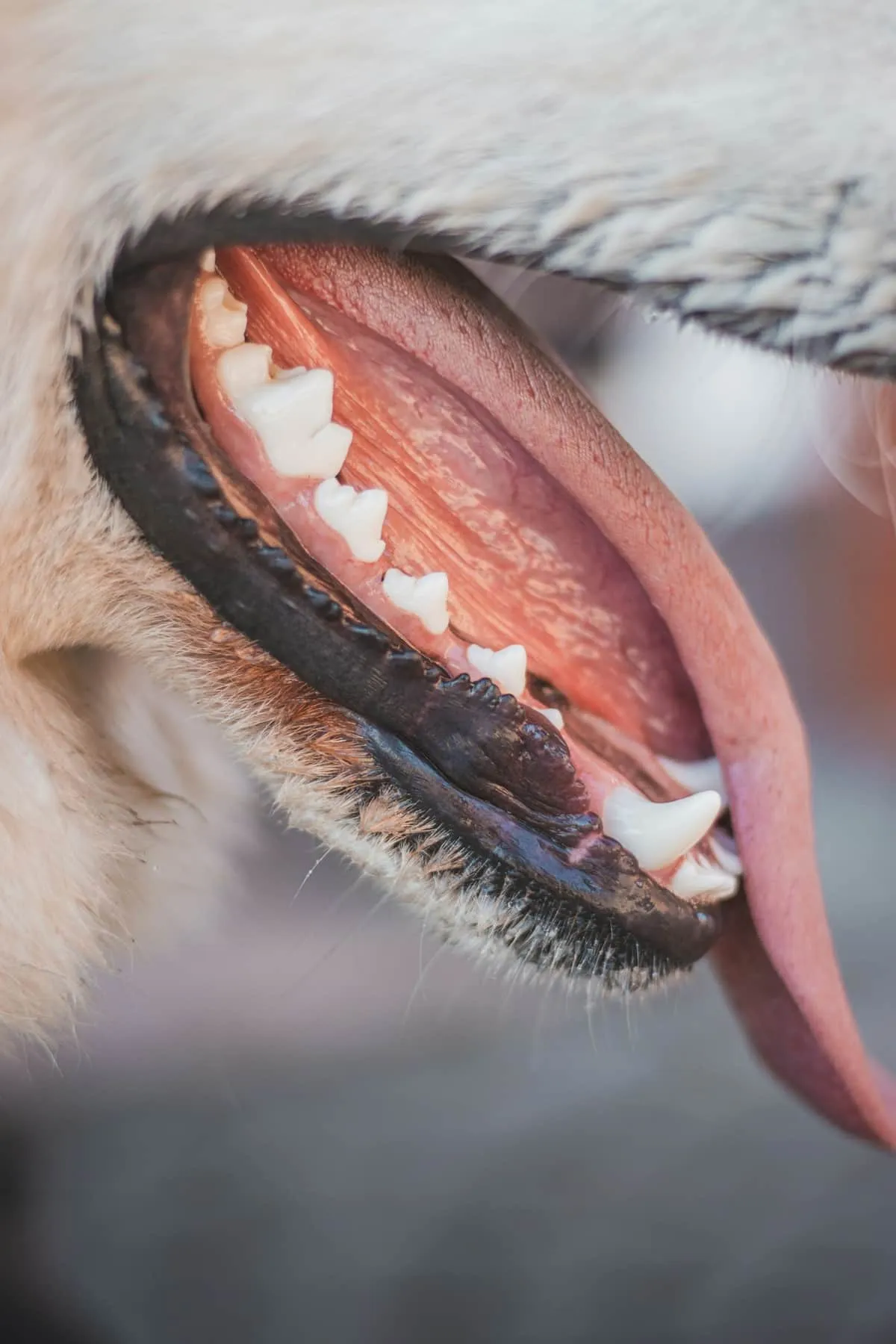
Senior Dog Dental Care
By Sarah Bennett · Last updated May 23, 2026 · 12 min read
Senior dog dental care is one of the most under-prioritized areas of senior care, and one of the easiest to fix. The American Veterinary Medical Association reports that more than 80% of dogs over age three have some degree of periodontal disease, with prevalence and severity climbing with age. Most senior dogs walking into the vet's office today have dental disease that's at least mild, and many have pain their owners haven't noticed.
This guide covers what dental disease does to an aging body (it's not just about the mouth), the daily brushing routine that does the most work, the VOHC-approved alternative products when brushing isn't possible, what professional anesthesia-based cleaning involves and costs, why anesthesia-free dental cleaning is opposed by every major veterinary dental authority, and when to escalate to a same-day vet call. We're not veterinarians, and this guide is built from AVMA / AAHA / AVDC (American Veterinary Dental College) / VOHC (Veterinary Oral Health Council) published guidance.
If your senior dog has stopped eating and you're not sure whether it's dental pain or something else, our senior dog won't eat guide walks through the 7-cause differential, dental is the #1 cause most owners miss.
Why Senior Dog Dental Care Matters More Than You Think
Dental disease in older dogs is not just about bad breath and yellow teeth. It's a systemic inflammation that interacts with the rest of the body in ways that compound senior decline:
1. Pain you can't see. Dogs tend to hide oral pain, so a senior dog with significant periodontal disease may eat, drink, and look normal while in chronic discomfort. The signs most owners notice late: chewing on one side, dropping food, reluctance to chew on hard things, and unexplained appetite changes.
2. Bacterial seeding into the bloodstream. Severe periodontal disease produces bacteremia, bacteria entering the bloodstream, which can cause measurable damage to the heart valves, kidneys, and liver over months and years. This is why dental disease is treated as a systemic, not just oral, condition in the veterinary literature.
3. Tooth loss reduces appetite reliably. A dog who can't chew a kibble piece without pain will eat less of it, often slowly, then noticeably. Weight loss in a senior dog with no obvious cause should always include a dental exam in the workup.
4. Anesthetic risk increases with severity. Mild periodontal disease is easy to clean. Severe disease often needs extractions, longer anesthetic time, and more advanced procedures, all of which carry more risk in an older dog. The earlier you catch it, the safer the eventual cleaning.
5. Senior brachycephalic and small-breed dogs are at highest risk. French Bulldogs, Pugs, Yorkies, Chihuahuas, and Dachshunds have crowded mouths that accumulate plaque rapidly. By 10, most of these dogs have substantial dental disease without owner awareness.
Daily Brushing: The Gold Standard for Senior Dog Dental Care
The single highest-leverage daily habit. Veterinarians, AAHA dental guidelines, and the VOHC consistently identify daily tooth brushing as the most effective home dental care. The reality: most owners brush far less than they should. Even 3 to 4 times per week is far better than the once-a-month brush most dogs get.
What you need
- A soft-bristled dog toothbrush, angled is helpful for the back teeth; a finger-cap brush works for small dogs
- Dog-specific toothpaste, never use human toothpaste (contains xylitol, fluoride, or detergents that are toxic to dogs)
- 5 to 10 minutes per session of patience, especially in the first weeks
Vet-recommended dog toothpastes
| Brand | Notable Features |
|---|---|
| Virbac C.E.T. Enzymatic Toothpaste | Vet-recommended standard; enzymatic action; poultry / beef / vanilla-mint flavors |
| Petrodex Enzymatic Toothpaste | Non-foaming formula; easier for dogs new to brushing; widely available at standard pet retailers |
| Petsmile Professional | VOHC-approved with gentler texture for sensitive senior gums |
The 5-Day Habit-Building Method for Senior Dogs
For a senior dog who has never been brushed, force won't work. A 5-day patient introduction does:
Day 1 to 2: Let her taste the toothpaste off your finger. Just taste. Praise her. That's the entire session.
Day 3: Touch her gum line with your finger (no brush yet) while she licks toothpaste off it. Goal: she associates the touch with the reward.
Day 4: Use a soft finger-cap brush. One or two short strokes on the outside of the upper canines (the easiest teeth to reach). Treat. Stop.
Day 5+: Gradually extend to more teeth, focusing on the outside surfaces of the upper back teeth (where plaque accumulates most). Aim for 30 seconds per side initially, building to 60 to 90 seconds over weeks.
What to avoid: Don't hold her mouth open by force. Don't try to brush the chewing surfaces or inside surfaces initially, they're less critical and harder to reach. Don't worry about "perfect" technique, consistent brushing of the outside surfaces beats occasional thorough brushing.
VOHC-Approved Products When Daily Brushing Isn't Practical
For dogs that resist brushing (or owners who can't brush daily), the Veterinary Oral Health Council (VOHC) awards a Seal of Acceptance to products with documented effectiveness against plaque and/or tartar buildup. The VOHC seal is the most trustworthy marker on the dental product shelf.
VOHC-approved categories worth knowing
Dental Chews (most popular):
- Greenies Aging Care, the senior-specific formula (softer for dogs 7+) in the most-recognized VOHC-accepted chew line
- Virbac C.E.T. VEGGIEDENT Chews, vegetable-based; good for dogs sensitive to common chew ingredients
- OraVet Dental Hygiene Chews, combines mechanical cleaning with delmopinol (anti-plaque coating)
Dental Water Additives:
- HealthyMouth Water Additive for Dogs, VOHC-accepted; mixes with drinking water
- A passive option, no behavior change required from the dog
Prescription Dental Diets:
- Hill's Prescription Diet t/d, kibble specifically designed for dental cleaning during chewing
- Royal Canin Dental, similar dental-specific kibble
Important caveats:
- VOHC products are supplements, not replacements, for brushing
- For senior dogs with existing dental disease, products alone are not sufficient, they help prevent future buildup but don't reverse what's there
- Avoid these dental "treats" that can crack teeth: hard antlers, bones, hooves, hard nylon chews. Veterinary dental specialists list these as common causes of tooth fractures in senior dogs
Professional Dental Cleaning (Anesthesia-Based)
The reality most owners delay: most senior dogs need at least one professional dental cleaning under anesthesia during their lifetime, and many need it earlier than expected. If the anesthesia is what makes you hesitate, it is worth knowing that anesthesia is safer for a healthy senior dog than most owners fear, and skipping a needed cleaning carries its own cost.
What a proper dental cleaning involves
A complete anesthesia-based dental cleaning includes:
- Pre-anesthesia bloodwork, confirms kidney, liver, and platelet values can handle anesthesia
- Anesthesia with intubation, protects the airway from aspiration of fluid and debris
- Subgingival scaling, cleaning below the gumline (where periodontal disease lives)
- Dental radiographs (X-rays), checks for tooth root disease that can't be seen visually
- Polishing, smooths the tooth surface to slow plaque re-accumulation
- Extractions if needed, broken or severely diseased teeth come out
- Recovery monitoring
This is medical work, not cosmetic work. The endpoint is a mouth without active disease, not just shiny teeth.
Cost: What to Expect (2026)
Cost varies by region, dog size, and disease severity. Industry data:
- Average national cost: ~$388 for a basic cleaning (Synchrony CareCredit 2025 ASQ360 data)
- Typical range: $307, $702 for routine cleanings (same source)
- Advanced cases with multiple extractions: $1,500+ (PetMD industry survey)
- Pre-anesthesia bloodwork: $100, $200 (typical add-on, varies by clinic and panel)
- Dental X-rays: $100, $200 (typical, varies by views needed)
- IV fluids during procedure: $50, $100 (typical add-on)
- Pain medications post-procedure: $30, $80 (typical script duration)
Numbers above are approximate U.S. clinic ranges and vary by region, dog size, and disease severity. Get a written estimate from your vet before scheduling. Total realistic budget for a senior dog cleaning: $500, $1,000 for routine work; $1,500, $3,000+ if extensive extractions are needed. CareCredit and Scratchpay are commonly accepted financing options.
Why senior dogs cost more
Senior dogs typically need:
- More extensive pre-anesthesia bloodwork
- Alternative anesthesia protocols (different drug choices for older dogs with kidney or liver values)
- Longer recovery monitoring
- More extractions on average
The trade-off is real: cleaning a 12-year-old Lab costs meaningfully more than cleaning a 4-year-old. But waiting until age 12 because of cost typically increases the total bill compared to cleaning at age 7 and then again at age 10.
Why Anesthesia-Free Dental Cleaning Doesn't Work
This needs its own section because it's everywhere, at groomers, pet stores, even some vet offices, and the major veterinary dental authorities are unified against it.
The official positions
The American Veterinary Medical Association (AVMA), American Animal Hospital Association (AAHA), and American Veterinary Dental College (AVDC) all formally oppose anesthesia-free dental procedures. The AVDC operates a public-facing site at afd.avdc.org specifically to educate pet owners on the risks.
Why it doesn't work
Anesthesia-free cleaning scrapes visible tartar off the crowns of teeth, the part you can see. Periodontal disease lives below the gumline, where these cleanings can't reach. The result:
- Teeth look cleaner (cosmetic improvement)
- Disease continues underneath (no actual treatment)
- Owners delay real cleaning because teeth "look fine"
The real risks
Beyond ineffectiveness, anesthesia-free cleanings carry documented harms:
- Aspiration pneumonia, without endotracheal intubation, fluid and tartar fragments can enter the lungs
- Gum and tooth injury, sudden movements during scaling can cut the gum or fracture teeth
- Stress and fear-based aggression, the restraint required is significant; some dogs develop lasting fear of any oral handling
- Missed diagnoses, without X-rays, root disease and tooth resorption are invisible
If a groomer or pet store offers anesthesia-free dental cleaning, the honest framing is: it's a cosmetic procedure that gives false reassurance. The money is better spent toward a proper veterinary cleaning every 1 to 3 years.
The Signs That Come Before the Red Flags
The list further down is what you can see: bleeding, swelling, loose teeth, visible tartar. Those are worth acting on immediately, but they arrive late. Cornell's Riney Canine Health Center is direct about it: "Again, if you notice any of these things, your dog's disease is already advanced."
What comes earlier is not something you look at. It is something she does differently.
The reason this gets missed is not carelessness. Merck's manual for owners states it plainly: "most dogs mask their pain, making diagnosis difficult". A dog with a painful tooth does not stop eating. She adjusts, and the adjustments are small enough to read as age.
Cornell's page lists what those adjustments look like: "Pawing or rubbing at the mouth, drooling, decreased appetite, taking longer to finish meals, change in eating habits (carrying food away from the bowl and dropping it on the floor before eating it), mouth odor, bleeding from the mouth, reluctance to chew favorite chew toys, aggressive behavior or withdrawal from the family are all possibilities."
Two of those deserve calling out because they are so easy to explain away. Taking longer to finish meals gets filed under slowing down. Carrying food away from the bowl and dropping it on the floor looks like fussiness or a new quirk, and it is often a dog working out how to eat around a sore spot.
VCA's page on dental pain adds a few more, including "chewing more slowly than usual", "decreased interest in hard treats", and "new or worsening resistance to having the face/mouth touched". That last one is worth sitting with. A dog who has always liked having her head held and now turns away from it is telling you something specific, and it rarely gets read that way.
One caution against using any of this as an all-clear. The same VCA page notes that "In some cases, an affected dog may not show any outward signs of pain." A quiet mouth is not a healthy mouth, which is why the exam schedule earlier in this guide is not negotiable for a senior. You cannot rule dental pain out by watching.
When to See the Vet: Dental Red Flags
Some signs mean dental concerns become same-day or same-week priorities:
- Visible blood in the mouth or on chew toys, likely periodontal disease at minimum
- Chewing on one side only, pain on the other side
- Dropping food repeatedly, pain or loose teeth
- Pawing at the face or mouth, discomfort she's trying to address
- Sudden bad breath that's worse than usual, bacterial overgrowth
- Loose or missing teeth in a dog who didn't lose teeth before
- Swelling along the jaw or under the eye, tooth root abscess (potentially serious)
- Refusal to eat hard food specifically, often dental, not appetite
- Yellowing or brown tartar visible at the gum line on the outer teeth
For a senior dog with any of the above, an oral exam at the vet within a week is reasonable. For severe signs (facial swelling, bleeding, refusal to eat for 24+ hours), same-day evaluation.
Senior Dog Dental Care for Special Cases
Some senior dogs need adjusted approaches:
Brachycephalic Breeds (Frenchies, Pugs, Bostons)
Crowded mouths plus shortened skulls means plaque accumulates faster and brushing access is harder. These breeds typically need professional cleanings more often (every 12 to 18 months rather than every 2 to 3 years).
Small Breeds (Yorkies, Chihuahuas, Toy Poodles, Dachshunds)
Small mouths with crowded teeth. Most-affected senior breed group for severe periodontal disease. Daily brushing is non-optional for these dogs over 7.
Senior Dogs with Heart Disease
Periodontal bacteria interact with cardiac function. Senior dogs with diagnosed heart disease often need more frequent dental cleanings under cardiac-specialist-cleared anesthesia, because the systemic inflammation from untreated periodontal disease can accelerate cardiac deterioration.
Senior Dogs Resistant to Brushing
For dogs that absolutely won't tolerate brushing despite patient introduction, layer the VOHC-approved options from the section above (chew + water additive + dental kibble) and pair with more frequent professional cleanings (every 12 to 18 months rather than every 2 to 3 years). This combination won't equal daily brushing, but it's a meaningful improvement over no dental care at all.
Frequently Asked Questions
How often should I brush my senior dog's teeth?
Daily is the gold standard. Realistically, 3 to 4 times per week meaningfully reduces plaque buildup, while less than that has diminishing returns. The AAHA dental guidelines and the AVDC both recommend daily as the target. Even 30 seconds per side of the mouth, done consistently, makes a measurable difference.
Can I use human toothpaste on my dog?
No, never use human toothpaste. Human toothpaste contains xylitol (often deeply toxic to dogs, can cause hypoglycemia and liver failure), fluoride (toxic in amounts dogs may swallow), and detergents (cause GI upset). Always use dog-specific toothpaste. Virbac C.E.T. and Petrodex are vet-recommended standards.
How much does professional dog dental cleaning cost?
In 2026, a basic anesthesia-based cleaning averages ~$388 with a typical range of $307, $702 for routine cleanings, per Synchrony CareCredit 2025 data. Add $100, $200 for pre-anesthesia bloodwork and similar for dental X-rays. With extractions, expect $1,500, $3,000+. Senior dogs typically cost more because of additional bloodwork and alternative anesthesia protocols. CareCredit and Scratchpay financing is widely accepted.
Is anesthesia-free dental cleaning safe?
No, the AVMA, AAHA, and AVDC all formally oppose anesthesia-free dental procedures. The cleaning is cosmetic only (doesn't reach below the gumline where disease lives), carries risks of aspiration pneumonia and oral injury, and gives owners false reassurance that delays real treatment. The AVDC operates a public education site at afd.avdc.org specifically warning against this practice.
What's the safest dental chew for a senior dog?
Look for the VOHC Seal of Acceptance on the package. Senior-friendly options include Greenies (use the senior version, softer), Virbac C.E.T. VEGGIEDENT, and OraVet Dental Hygiene Chews. Avoid hard antlers, real bones, hooves, and hard nylon chews, these are leading causes of fractured teeth in senior dogs.
My senior dog has bad breath. Is that a problem?
Often yes. Strong, persistent bad breath (worse than typical dog breath) is the most common subtle sign of periodontal disease. Combined with any visible tartar, gum redness, or behavioral changes, bad breath warrants an oral exam at the vet. It's not just "old dog breath", it's a treatable bacterial condition in most cases.
Should I get my 11-year-old dog's teeth cleaned under anesthesia?
In most cases, yes, but the conversation is more nuanced for very senior dogs. Pre-anesthesia bloodwork tells you whether your dog can safely tolerate anesthesia. If kidney, liver, and platelet values are within acceptable ranges, modern anesthesia protocols are considered safe even in 11-year-olds. The real risk for senior dogs is often letting periodontal disease progress untreated, which causes more harm than appropriately-managed anesthesia. Discuss with your vet who knows your dog's specific health profile.
Final note: for senior dog dental care, the daily 30-second brush against the outer canines and back teeth still does more work than any product or single annual cleaning. Consistency beats intensity.
Sources
- 2019 AAHA Dental Care Guidelines for Dogs and Cats. Journal of the American Animal Hospital Association. https://www.aaha.org/resources/2019-aaha-dental-care-guidelines-for-dogs-and-cats/
- American Veterinary Dental College, Anesthesia-Free Pet Dental Cleanings (public education site). https://afd.avdc.org/
- Veterinary Oral Health Council, Accepted Products for Dogs (updated November 2025). https://vohc.org/wp-content/uploads/2025/11/VOHCAcceptedProductsTable_Dogs-11-14-25.pdf
- AVMA / JAVMA News, Below the Surface of Anesthesia-Free Dentistry (Feb 2016). https://www.avma.org/javma-news/2016-02-01/below-surface-anesthesia-free-dentistry
- VCA Animal Hospitals, Risks of Anesthesia-Free Dental Procedures. https://vcahospitals.com/know-your-pet/risks-of-anesthesia-free-dental-procedures
- VCA Animal Hospitals, Dental Disease in Dogs. https://vcahospitals.com/know-your-pet/dental-disease-in-dogs
- Synchrony CareCredit / ASQ360 (2025), Dog Dental Cleaning Cost Survey, cited in AskaVet 2025 cost guide. https://askavet.com/blogs/pet-health-safety/dog-teeth-cleaning-costs-2025-complete-veterinary-guide
- PetMD, How Much Does Dog Teeth Cleaning Cost? https://www.petmd.com/dog/care/how-much-does-dog-teeth-cleaning-cost
- Virbac C.E.T. Enzymatic Toothpaste, manufacturer page. https://us.virbac.com/
Keep Reading
- Senior Dog Won't Eat, dental pain is the #1 cause most owners miss
- 8 Senior Dog Aging Signs, early dental signs sit inside the broader senior picture
- Best Food for Senior Dogs, softer foods for dogs with dental issues
- Senior Labrador Health Problems, dental + heart disease interaction in senior Labs
- Senior Dachshund Back Problems, small breeds and severe periodontal disease
- Free Senior Dog Health Record Template, track dental cleaning history and findings
- Senior Dog Medication Schedule Template, post-extraction pain medication tracking
- Senior Dog Summer Heat Care, heat interactions with chronic pain and inflammation
About the authors
Sarah Bennett writes about senior dog care from a household centered on her Border Collie Lucy. The VOHC-accepted product evidence and AVDC anesthesia-free position took the bulk of this guide's research time. She is not a veterinarian; her work is reported and sourced from AVMA, AAHA, AVDC, and VOHC published dental guidance.
Leo Bennett is the co-author of Senior Dog Daily and Sarah's husband. The pair share research and writing duties on the site.